The Hidden Truths Behind Store-Bought Dairy-Free Yogurts
In the quest for healthier eating, many of us turn to dairy-free alternatives, with coconut yogurt being a popular choice. It promises a creamy texture and tangy flavor without the dairy, perfect for those with sensitivities or seeking plant-based options. However, a closer look at the labels of many supermarket brands reveals a surprising and often concerning list of ingredients. This is where the true value of making your own homemade dairy free coconut yogurt shines through.
While the front of the package might boast "natural" or "healthy," turn it over, and you'll frequently find an array of additives designed to mimic the texture and stability of traditional dairy yogurt. These often include thickeners, stabilizers, and sweeteners that can undermine your health goals:
- Carrageenan: Derived from red seaweed, carrageenan is a common thickener. Despite its natural origin, extensive research suggests it can be highly inflammatory and destructive to the digestive system, potentially exacerbating conditions like irritable bowel syndrome (IBS) or leaky gut. It's an ingredient many health-conscious individuals strive to avoid.
- Locust Bean Gum and Guar Gum: These gums are also used to stabilize, emulsify, and thicken foods. While they may not pose the same inflammatory risks as carrageenan for everyone, they can still be problematic for individuals with sensitive digestive systems, including those with IBS or SIBO (Small Intestinal Bacterial Overgrowth). Regular consumption is best approached with caution.
- Added Sugars: Many commercial dairy-free yogurts contain significant amounts of added sugar to enhance flavor, often offsetting the natural tartness of fermented products. Excessive sugar intake is linked to a myriad of health issues, from weight gain to increased inflammation.
- "Natural" Flavors: The term "natural" can be misleading. These flavors are often complex concoctions that can include preservatives, solvents, and other undisclosed ingredients. The lack of transparency makes it difficult to ascertain their true health impact, making them another component many prefer to bypass.
The challenge of finding a truly clean, additive-free coconut yogurt at a reasonable price is real. This very dilemma is what prompts many to explore the incredibly rewarding path of making their own homemade dairy free coconut yogurt.
Why Homemade Dairy-Free Coconut Yogurt is Your Ultimate Solution
The beauty of making your own homemade dairy free coconut yogurt lies in complete control. You dictate every ingredient, ensuring a product that is not only delicious but also genuinely healthy and free from unwanted additives. Beyond the health benefits, going homemade offers several compelling advantages:
- Uncompromised Purity: By selecting just two high-quality ingredients, you eliminate thickeners, refined sugars, and mysterious "natural" flavors. You know exactly what's going into your body.
- Cost-Effectiveness: Premium store-bought dairy-free yogurts with cleaner labels can be expensive. Making your own from scratch is significantly more economical in the long run.
- Tailored to Your Taste: While a base recipe uses only two ingredients, the beauty of homemade is the ability to customize. You can add your preferred natural sweeteners (or none at all), fruits, or spices after fermentation to suit your palate perfectly.
- Freshness You Can Trust: Enjoying yogurt that was freshly made in your kitchen provides a level of freshness and vibrancy that pre-packaged options simply can't match.
The journey to perfecting homemade dairy free coconut yogurt might involve a few learning curves, as many first attempts end in a runny or less-than-ideal consistency. However, armed with the right knowledge, achieving a thick, creamy, and tangy result is surprisingly simple.
The Secrets to Perfectly Thick and Tangy Homemade Dairy-Free Coconut Yogurt
Our own experiences, and those of countless others, highlight common pitfalls and crucial breakthroughs in making the perfect homemade dairy free coconut yogurt. Forget the initial disappointments; these key insights will guide you to success:
1. The Power of Coconut Cream: Ditch the Milk for Thickness
One of the most significant discoveries in the quest for thick, Greek-style dairy-free yogurt is the use of coconut cream over coconut milk. Early attempts with standard coconut milk often resulted in a thin, drinkable consistency that failed to thicken even after fermentation. This is due to coconut milk's higher water content.
The solution? Opt for full-fat canned coconut cream. If you can't find pure coconut cream, you can use full-fat canned coconut milk and chill it overnight in the refrigerator. The thick, white cream will separate and rise to the top, allowing you to scoop it out and leave the watery liquid behind. This high-fat, low-water base is essential for achieving that luxurious, spoon-standing consistency.
For more detailed insights on this crucial step, don't miss our article: Secrets to Thick Coconut Yogurt: Use Cream for Greek Style.
2. Quality Probiotics Are Non-Negotiable
The fermentation process is entirely dependent on live bacterial cultures, making the quality of your probiotic starter paramount. Not all probiotics are created equal. If your yogurt doesn't develop that signature tangy flavor or remains unfermented, the probiotic could be the culprit.
The solution? Invest in a high-quality probiotic powder or capsules with a robust CFU count – ideally at least 60 billion CFUs. Look for multi-strain probiotics that are reputable and have good reviews. The stronger and more diverse the bacterial strains, the better they will initiate and sustain fermentation, transforming your coconut cream into delicious yogurt.
3. No Need for Extra Thickeners or Sweeteners for Fermentation
Many recipes online suggest adding gelatin, arrowroot powder, or even sweeteners like honey to aid fermentation or thickening. While gelatin can make it thick, it often results in an unappealing, jiggly consistency. And surprisingly, you don't need sugar to kickstart the fermentation process.
The solution? When using high-quality coconut cream and potent probiotics, these additional ingredients are simply unnecessary. The healthy fats in the coconut cream provide the perfect environment for the bacteria to thrive and create a naturally thick, creamy texture. Save any sweeteners for after the yogurt is made, allowing you to control the sugar content precisely.
Your Simple 2-Ingredient Recipe for Success
With the critical insights above, making your own homemade dairy free coconut yogurt becomes incredibly straightforward. Here’s the basic blueprint:
- Gather Your Ingredients:
- One can (13.5 oz / 400ml) of full-fat coconut cream (or the thick cream scooped from chilled full-fat coconut milk). Ensure it's additive-free.
- Probiotic capsules or powder (e.g., 1-2 capsules totaling at least 60 billion CFUs).
- Prepare the Coconut Cream: If using canned coconut cream, it might be very solid. Gently warm it (e.g., in a bowl over warm water, or briefly in a microwave on low) until it's smooth and pourable, but not hot. Stir well to ensure an even consistency. If using cream scooped from chilled coconut milk, ensure it's at room temperature.
- Incorporate Probiotics: Open the probiotic capsules and sprinkle the powder into the coconut cream. Stir thoroughly with a clean, non-metallic spoon until the probiotic is fully dissolved and evenly distributed.
- Ferment: Pour the mixture into a clean glass jar. Cover loosely with a lid or a breathable cloth secured with a rubber band to allow for air circulation while preventing contaminants. Place the jar in a warm spot (ideally 70-80°F / 21-27°C) for 12-24 hours. The warmer the temperature, the faster it will ferment. Taste it periodically after 12 hours – it should become noticeably tangy as it ferments.
- Chill and Enjoy: Once it reaches your desired tanginess, remove the cover and stir gently. Place the jar in the refrigerator for at least 4-6 hours to chill and further thicken.
For a detailed, step-by-step guide on creating this simple yet effective recipe, check out our article: Homemade 2-Ingredient Coconut Yogurt: Thick & Dairy-Free.
Elevating Your Homemade Coconut Yogurt Experience
Once you’ve mastered the art of making delicious, thick homemade dairy free coconut yogurt, the possibilities are endless. Here are some ideas to enhance your culinary creations:
- Simple & Pure: Enjoy it as is for a clean, tangy snack.
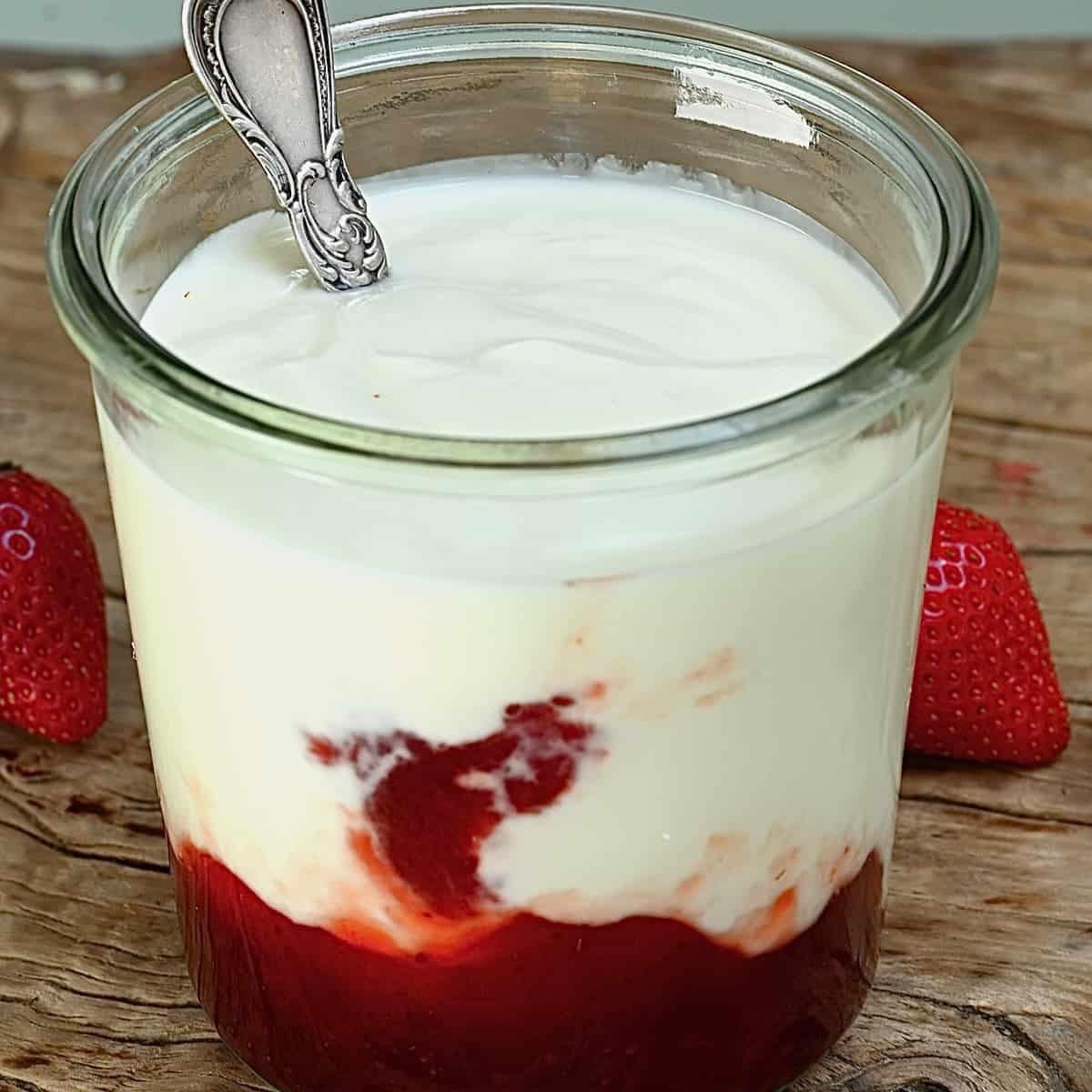
- Fruit & Nut Delight: Swirl in fresh berries, sliced banana, or a sprinkle of toasted nuts and seeds for added texture and nutrients.
- Sweetened to Taste: If you prefer a sweeter yogurt, mix in a drizzle of maple syrup, a spoonful of raw honey (if not strictly vegan), or a pinch of stevia after fermentation.
- Smoothie Booster: Add a dollop to your morning smoothie for a creamy texture and probiotic boost.
- Savory Applications: Don't limit yourself to sweet! Use your plain coconut yogurt as a base for dairy-free tzatziki, a creamy dressing, or a dollop alongside spicy curries.
- Flavor Variations: Experiment with adding a dash of vanilla extract, a pinch of cinnamon, or lemon zest after fermentation for subtle flavor enhancements.
Remember that the consistency can vary slightly depending on the brand of coconut cream and the fermentation time. If it's too thick, you can whisk in a tiny bit of the reserved coconut water (from your chilled can) or plant-based milk until desired consistency is reached. If it’s not quite thick enough, ensure your coconut cream was truly full-fat and that your probiotics were potent.
Conclusion
Taking control of your health starts in the kitchen, and making your own homemade dairy free coconut yogurt is a fantastic step in that direction. By sidestepping the additives and unknown ingredients found in many commercial products, you can enjoy a truly pure, probiotic-rich, and incredibly delicious treat. With just two simple ingredients and a few key tips, you'll be well on your way to enjoying creamy, tangy coconut yogurt that nourishes your body from the inside out. Embrace the DIY spirit and savor the health benefits and satisfaction that come with every spoonful of your homemade creation.
