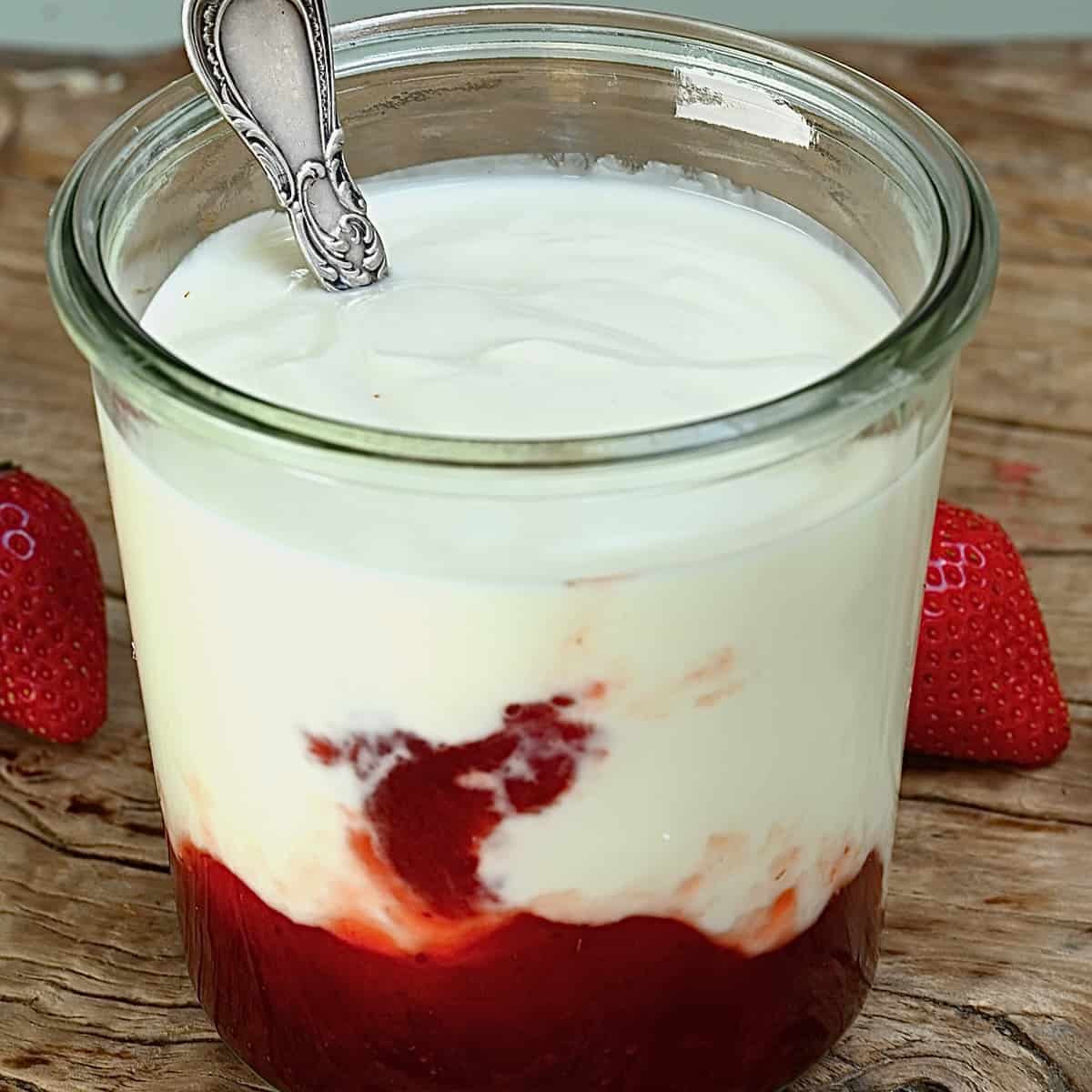
The Quest for the Perfect Homemade Dairy-Free Coconut Yogurt
In a world increasingly conscious of gut health and dietary choices, the demand for delicious, nutritious, and additive-free alternatives to traditional dairy products has skyrocketed. Among these, homemade dairy free coconut yogurt stands out as a versatile and satisfying option. However, many who embark on this culinary adventure quickly discover that achieving that coveted thick, creamy, Greek-style consistency can be a challenge. The journey from runny, disappointing experiments to a perfectly fermented batch can be fraught with trial and error, but rest assured, the secrets are simpler than you think.
The allure of making your own dairy-free coconut yogurt often stems from a desire to avoid the myriad of questionable ingredients found in many store-bought varieties. A quick glance at the label of popular commercial coconut yogurts often reveals a laundry list of thickeners and additives that can be problematic for sensitive digestive systems. Ingredients like carrageenan, locust bean gum, and guar gum are commonly used to achieve a desired texture, but their impact on health isn't always benign.
Unmasking the Additives in Commercial Coconut Yogurt
- Carrageenan: Derived from red seaweed, carrageenan is a notorious inflammatory agent. Research indicates it can be particularly destructive to the digestive system, potentially exacerbating conditions like IBS or SIBO. For this reason alone, many health-conscious individuals choose to avoid it entirely.
- Locust Bean Gum & Guar Gum: While generally considered safer than carrageenan, these gums, also used for stabilization and thickening, can still pose issues for those with highly sensitive guts. Regular consumption of products containing them might lead to digestive discomfort in susceptible individuals.
- "Natural" Flavors: Don't let the name fool you. The term "natural flavors" is often a catch-all for complex mixtures that can include preservatives, solvents, and other undisclosed ingredients. It's always best to inquire directly with manufacturers about the sourcing and composition of these flavors if you're concerned about purity.
- Added Sugars: Many commercial brands pack their yogurts with excessive sugars, undermining the health benefits and potentially contributing to blood sugar imbalances.
Finding a clean-ingredient, reasonably priced coconut yogurt in supermarkets, especially in regions like the US, can feel like an impossible task. This scarcity, coupled with the desire for digestive wellness, is precisely why mastering making your own healthy dairy-free coconut yogurt becomes an incredibly rewarding endeavor.
The Game-Changer: Why Coconut Cream is Your Secret Weapon
The single most crucial discovery in the quest for truly thick, Greek-style homemade dairy free coconut yogurt boils down to one simple ingredient: coconut cream. Many initial attempts at dairy-free yogurt making often involve using standard canned coconut milk. The logical assumption is that, much like traditional dairy yogurt, fermentation will magically thicken it into a luscious consistency. As countless frustrated home cooks can attest, this often results in a runny, drinkable concoction that's more akin to milk than yogurt.
Understanding the Coconut Milk vs. Coconut Cream Dilemma
The key difference lies in the fat content. Standard canned coconut milk typically contains a higher proportion of water. When chilled, the rich, fatty cream separates from the thinner coconut water. If you use the entire contents of a can of coconut milk without separating these components, the high water content inevitably leads to a thin, watery yogurt, even after successful fermentation. This was a common pitfall in early experiments, leading to disappointing results that tasted watery and lacked the satisfying mouthfeel of traditional yogurt.
Conversely, coconut cream is essentially the concentrated, fatty part of coconut milk. It contains significantly less water, meaning a much higher fat percentage. This naturally higher fat content is what provides the rich body and thickness you desire, mimicking the texture of Greek yogurt without any artificial thickeners. When fermented, the probiotic cultures work their magic on this dense base, creating a truly luxurious, spoonable yogurt.
Tips for Sourcing and Preparing Coconut Cream:
- Opt for Full-Fat: Always choose full-fat coconut cream or full-fat coconut milk where the cream separates easily. Avoid "light" or "reduced-fat" versions, as they will yield a thinner result.
- Check Ingredients: While the goal is to avoid additives, some brands of coconut cream or milk may still contain a small amount of guar gum as a stabilizer. For the absolute purest result, seek out brands that list only coconut and water.
- Chill Overnight: If using canned full-fat coconut milk (and separating the cream yourself), chill the cans in the refrigerator overnight. This allows the cream to solidify and rise to the top, making it easy to scoop off the thick cream and leave the water behind. For pre-packaged coconut cream, chilling is still beneficial to ensure maximum thickness.
Mastering the Fermentation Process for Optimal Flavor and Gut Health
Beyond the choice of coconut base, the success of your homemade dairy free coconut yogurt hinges on proper fermentation. This is where the magic of probiotics comes into play, transforming the coconut cream into a tangy, probiotic-rich food that supports a healthy gut microbiome.
The Vital Role of High-Quality Probiotics
One common misconception is that any probiotic will do. However, the quality and potency of your starter culture are paramount. Early experiments sometimes resulted in a "yogurt" that tasted exactly like plain coconut cream, a clear indicator that fermentation hadn't occurred properly. The culprit was often found to be substandard or insufficient probiotic powder.
- CFU Count Matters: Aim for a high-potency probiotic supplement with at least 60 billion CFUs (Colony Forming Units). A higher CFU count means more active bacteria ready to ferment your coconut cream.
- Multi-Strain Benefits: Look for a multi-strain probiotic, as a wider variety of beneficial bacteria can lead to a more robust fermentation and potentially greater gut health benefits.
- Freshness is Key: Probiotics are live cultures, so check the expiration date and ensure the product has been stored correctly (often refrigerated). An expired or poorly stored probiotic will be less effective.
Debunking the Sweetener Myth for Fermentation
Another myth surrounding homemade yogurt is the necessity of adding sugar or honey to "feed" the probiotics and kickstart fermentation. While some dairy yogurts might benefit from a touch of sugar, it's not strictly necessary for coconut yogurt. Coconut cream contains natural sugars that are sufficient for the probiotic cultures to thrive. Omitting added sweeteners allows you to control the final sweetness of your yogurt, adding natural sweeteners like maple syrup, stevia, or fruit purees *after* fermentation, if desired. This also ensures your yogurt remains truly additive-free, aligning with the principles discussed in Avoid Additives: Make Your Own Healthy Dairy-Free Coconut Yogurt.
Optimal Fermentation Conditions:
Probiotics thrive in warm, consistent environments. An ideal fermentation temperature is typically between 100-115°F (38-46°C). You can achieve this using:
- A Yogurt Maker: This is the simplest and most consistent method.
- An Oven with a Pilot Light: The warmth from a pilot light can provide a suitable environment.
- A Dehydrator: Set to the appropriate temperature.
- A Warm Spot: In a pinch, a warm spot in your kitchen (like on top of a refrigerator) covered with a towel can work, though consistency may vary.
Fermentation time typically ranges from 12-24 hours. The longer it ferments, the tangier the flavor. Experiment to find your preferred taste and texture.
Beyond the Basics: Tips for Your Best Homemade Dairy-Free Coconut Yogurt
Choosing Your Ingredients Wisely
The foundation of great homemade dairy free coconut yogurt truly begins with quality ingredients. Reiterate the importance of full-fat coconut cream, ensuring it's from a reputable brand and ideally free of any gums if you can find it. When selecting your probiotic, remember the 60 billion CFU minimum and prioritize multi-strain varieties for a richer bacterial profile. If you have access to filtered water, it's a good practice to use it to rinse your equipment, as chlorine in tap water can potentially interfere with delicate probiotic cultures.
Essential Equipment and Hygiene
While you don't need fancy gadgets, a few items will make your yogurt-making process smoother and more successful:
- Clean Glass Jars: Mason jars are perfect for fermenting and storing. Sterilize them by boiling or running them through a hot dishwasher cycle.
- Whisk or Blender: To ensure the probiotic powder is fully incorporated into the coconut cream.
- Thermometer: Crucial for maintaining the ideal fermentation temperature.
- Yogurt Maker (Optional but Recommended): Provides consistent temperature control, leading to more reliable results.
Hygiene is paramount. Any contaminants can introduce unwanted bacteria, leading to spoilage or failed fermentation. Always work with clean hands, sanitized equipment, and fresh ingredients.
Customizing Your Coconut Yogurt
Once you've mastered the basic two-ingredient homemade dairy free coconut yogurt, the possibilities for customization are endless:
- Flavor Variations:
- Stir in a dash of pure vanilla extract *after* fermentation for a classic taste.
- Add fruit purees (berries, mango, peach) for natural sweetness and flavor.
- A pinch of cinnamon or cardamom can add a warm, exotic touch.
- Sweetening Options:
- Maple syrup or agave nectar can provide a natural sweetness.
- A few drops of liquid stevia or monk fruit extract offer a sugar-free option.
- Dates, blended into a paste, can also be a healthy sweetener.
- Serving Suggestions:
- Enjoy it plain, straight from the jar, for a simple and satisfying snack.
- Top with fresh berries, granola, nuts, or seeds for a breakfast parfait.
- Use it as a base for smoothies, adding a creamy texture and probiotic boost.
- Replace sour cream in savory dishes or make dairy-free dips and dressings.
For a detailed step-by-step guide to this simple process, check out our companion article: Homemade 2-Ingredient Coconut Yogurt: Thick & Dairy-Free.
Conclusion
The journey to creating truly thick, creamy, and delicious homemade dairy free coconut yogurt is a rewarding one. By understanding the critical role of high-quality coconut cream and potent probiotics, you can bypass the pitfalls of runny results and disappointing textures. Say goodbye to unwanted additives, inflammatory gums, and mysterious "natural" flavors found in commercial brands. With just two core ingredients and a few simple steps, you gain complete control over what goes into your body, ensuring a pure, gut-friendly, and incredibly satisfying culinary experience. Embrace the secret of coconut cream, choose your probiotics wisely, and prepare to enjoy the unparalleled taste and health benefits of your very own Greek-style coconut yogurt.
